


Clip farming is the practice of deliberately creating or provoking shocking, dramatic, or highly shareable moments in video content so those moments get clipped and spread across social media platforms. A streamer might say something intentionally outrageous during a live broadcast, a brand might stage an unexpected stunt, or a political campaign might engineer a confrontation, all with the goal of generating short, viral clips that reach audiences far beyond the original content.
If you’re an Alberta farmer or agribusiness owner wondering why you’re suddenly hearing this term, here’s the context: clip farming has nothing to do with agriculture. It’s a digital media strategy that’s become central to how content creators, brands, and political campaigns compete for attention in 2026. The practice involves extracting the most interesting or remarkable moments from longer videos and sharing them from accounts that often don’t disclose they’ve been paid to do so.
Why does this matter for your operation? As Alberta’s agricultural community increasingly uses social media to connect with consumers, share stories, and build markets, understanding clip farming helps you recognize when you’re seeing manufactured moments versus authentic content. It also raises important questions about how you approach your own digital communications. Should you be thinking strategically about shareable moments when you post farm tours or product demonstrations? Where’s the line between smart content strategy and manipulation?
This article explains what clip farming actually is, how the mechanics work, the different forms it takes, and the compliance issues you need to know about, especially as you build your own digital presence in a landscape where authenticity increasingly competes with engineered virality.
What Clip Farming Means
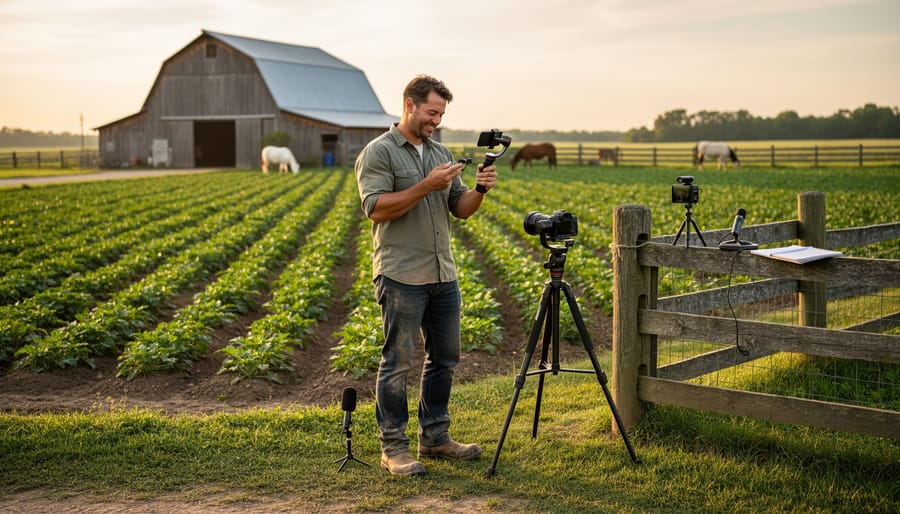
Clip farming is the intentional creation of outrageous, funny, or shocking moments in video content with the specific aim of generating short, shareable clips that spread virally across social media platforms. A content creator might deliberately make a controversial statement, stage a dramatic reaction, or engineer an unexpected moment during a live stream or long-form video, knowing that viewers will extract these seconds into standalone clips that attract attention and drive engagement.
- Clip Farming
- The practice of deliberately creating shocking or dramatic moments in video content to produce short clips for viral sharing.
- Clipping
- The act of extracting short segments from longer videos, focusing on the most interesting or remarkable moments.
- Streamer
- A content creator who broadcasts live video, often on platforms where audiences can watch and interact in real time.
- Viral Clip
- A short video segment that spreads rapidly across social media through shares and reposts, reaching audiences far beyond the original viewers.
- Social Media Clipping
- The practice of cutting longer videos into their most compelling moments and sharing them from accounts that may be branded, unbranded, or compensated for distribution.
The core goal is reach and engagement. When these extracted clips circulate on platforms, they expose new audiences to the creator’s content, drive traffic back to the original stream or channel, and build brand recognition. This differs fundamentally from traditional video editing or content repurposing. Standard editing refines and packages existing material for clarity or entertainment value. Clip farming engineers specific moments from the start with the explicit purpose of creating shareable fragments. It’s less about presenting a cohesive message and more about manufacturing viral-worthy seconds that function independently from their source.
The strategy relies on the mechanics of social media algorithms, which reward engagement and shareability. A fifteen-second clip of someone saying something outrageous travels faster and farther than a thoughtful fifteen-minute discussion, even if the longer content offers more substance.
How Clip Farming Works in Practice

Clip farming follows a deliberate sequence designed to maximize viral spread. The process starts when a content creator makes an intentional decision to say or do something outrageous, funny, or shocking during a live stream or video recording. This isn’t spontaneous content captured by chance, it’s a calculated moment engineered specifically to generate shareable material.
Once that dramatic moment happens, the extraction phase begins. In some cases, viewers organically notice the moment and create their own short clips. More commonly, hired clippers, users specifically tasked with monitoring streams, identify these peak moments and cut them into standalone videos, typically under 60 seconds. These clippers work quickly to capture the moment while it’s fresh, cropping the longer video down to just the remarkable statement or action that will grab attention.
The distribution phase determines whether clip farming succeeds or fails. Clips get shared from multiple accounts across platforms like Twitter, Instagram, TikTok, and YouTube Shorts. Some sharing happens from branded accounts clearly connected to the original creator, but much of the spread comes from unbranded accounts that appear independent. These unbranded posts often don’t disclose any connection to the content creator, making the viral spread seem organic when it may actually be coordinated.
The final mechanism is the traffic loop. Each clip shared on social media acts as bait, drawing viewers’ attention with a shocking or intriguing moment. Engaged viewers then seek out the original source, clicking through to the full stream, following the creator’s account, or searching for more content from that person. This drives measurable growth in followers, views, and brand visibility.
The distinction between organic and compensated sharing matters significantly. When viewers clip and share moments because they genuinely found them interesting, that’s organic engagement. When creators pay users to distribute clips without disclosing that compensation, it crosses into territory with both legal and platform policy implications.
Different Forms of Clip Farming
Clip farming takes different forms depending on who creates the clips, why they’re made, and how transparently they’re shared. The core practice remains the same, extracting shareable moments from longer content, but the intent and disclosure vary significantly across approaches.
- Organic clip farming happens when streamers or video creators produce genuinely entertaining or surprising moments that viewers naturally want to share, with no deliberate engineering of the content for clipping purposes.
- Strategic clip farming involves deliberately engineering shocking statements, dramatic reactions, or outrageous actions during streams or videos specifically to generate clips that will spread across platforms.
- Paid clipping networks compensate users to share clips from unbranded or personal accounts, often without disclosing the financial arrangement behind the sharing.
- Brand-driven clipping occurs when companies or creators cut their own long-form content into short clips and distribute them through official channels with clear attribution.
The transparency differences between these approaches matter considerably. Organic clipping typically involves no deception, viewers share moments they found remarkable, and both the source and the sharing are obvious. Strategic clipping raises ethical questions because it manufactures drama specifically for virality, though it doesn’t necessarily hide the source. The real compliance problems emerge with paid clipping networks, where the lack of legally required disclosures about compensation creates both regulatory and platform policy violations.
Brand-driven clipping sits somewhere in the middle. When a farm organization cuts a compelling moment from a longer educational video and shares it with clear branding, that’s transparent content strategy. When the same organization pays third parties to share those clips from personal accounts without disclosure, it crosses into the territory that platforms are starting to penalize through de-prioritization.
For Alberta farmers building social media presence, understanding these distinctions helps you recognize when you’re seeing authentic sharing versus coordinated campaigns. It also clarifies which approaches align with the agricultural community’s values of straightforward communication and which ones compromise the trust you’ve built with your audience.
Where and How Clip Farming Is Used
Clip farming shows up across diverse digital landscapes, from high-stakes political races to product marketing and entertainment. Spencer Pratt’s LA mayoral campaign provides a concrete example: his team deliberately created shareable moments during streams and appearances, which clippers then distributed widely across platforms. While the campaign ultimately didn’t succeed, the clipping strategy demonstrated how engineered viral moments can amplify reach far beyond original follower counts.
Influencer marketing and brand building rely heavily on clip-based distribution. Companies pay creators to produce content containing specific messages or product appearances, then deploy clipping networks to spread the most engaging snippets. This approach turns a single video into dozens of short clips appearing across TikTok, Instagram Reels, and YouTube Shorts, each driving traffic back to the brand.
Entertainment and streaming platforms see organic and strategic clip farming daily. Streamers on Twitch or YouTube intentionally engineer controversial statements, unexpected reactions, or dramatic conflicts knowing viewers will clip and share these moments. The resulting clips function as free advertising, pulling new audiences to the original streams.
Advocacy campaigns increasingly use clipping to spread awareness. Organizations create longer educational content, then extract the most compelling moments into shareable clips designed to reach people who’d never watch a full video. For Alberta farmers building social media presence, this technique holds potential relevance, particularly for those supporting the local food movement or advocating on policy issues affecting agriculture.
The critical distinction separates authentic shareable moments from manufactured drama. A rancher’s genuine explanation of regenerative grazing practices might naturally produce compelling clips worth sharing. Deliberately staging conflicts or making exaggerated claims solely to generate viral moments crosses into manipulation, risking credibility with the agricultural community that values straightforward communication.
Legal and Platform Compliance Issues
When users share clips for compensation, disclosure isn’t optional. Advertising regulators in Canada and the US require clear disclosure when people are paid to promote content, and that includes sharing clipped video moments. The real legal risk comes from failing to disclose these paid arrangements. If someone compensates you to share their clips, you must make that relationship transparent to your audience.
Beyond legal requirements, platform policies create another layer of rules. Many social media platforms prohibit reposting content without transforming it in some way. Simply re-sharing a video clip verbatim can trigger algorithmic penalties, causing that content to be de-prioritized in feeds and reach fewer people. Some clippers who ignore these rules find their content buried or their accounts flagged.
The transparency requirement matters for credibility as much as compliance. Audiences react poorly when they discover hidden commercial relationships. For Alberta farmers considering clip-based strategies to share farm stories or advocate on policy issues, this means being upfront about any partnerships or compensated arrangements. If you’re working with an organization that wants you to share their clips, disclose it.
Non-compliance carries real risks. Platforms can suppress your reach, reducing the effectiveness of the very strategy you’re trying to employ. Regulatory bodies can pursue penalties for undisclosed sponsored content. Perhaps most damaging, your audience loses trust when they feel manipulated. For agricultural communicators, where credibility and community trust form the foundation of your voice, that loss can be permanent. If you’re sharing clips as part of a campaign or partnership, disclosure protects both your legal standing and your reputation.
What Alberta Farmers Should Know

Alberta farmers building a social media presence may wonder whether clip farming techniques apply to agricultural advocacy or education. The short answer: while the mechanics exist across all sectors, manufactured drama conflicts sharply with the trust-based relationships that sustain rural communities. Authentic storytelling about real farming challenges, innovations, and successes will always outperform engineered controversy in agricultural contexts.
That said, understanding how short clips drive engagement helps you communicate more effectively. When advocating for policy changes or sharing farm innovations like smart farm technologies extracting a 30-second segment from a longer demonstration video serves legitimate educational purposes. The difference lies in transparency and intent: you’re highlighting useful information, not staging outrageous moments for viral reach.
If you create video content, consider which genuine moments might resonate beyond your immediate audience. A clear explanation of a water conservation technique, footage of wildlife coexisting with crops, or a producer’s honest reflection on drought challenges can all become shareable clips without manufactured drama. Always disclose any partnerships or sponsorships, and avoid platform violations by adding your own context or commentary when resharing others’ content. Agricultural communicators build influence through consistency and credibility, not viral stunts that erode the community’s trust.
Frequently Asked Questions
Is clip farming illegal?
Clip farming itself isn’t illegal, but failing to disclose compensation when users are paid to share clips violates advertising regulations in most jurisdictions. Platform policies also prohibit reposting content without transformation, which can result in content being de-prioritized or removed.
Who typically uses clip farming strategies?
Political campaigns, influencers, streamers, and brands use clip farming to amplify reach. Spencer Pratt’s LA mayoral campaign demonstrated how political figures employ these tactics, though the strategy appears across entertainment, advocacy, and marketing contexts.
Should Alberta farmers use clip farming techniques?
Agricultural communicators should prioritize authentic storytelling over manufactured drama. While short, shareable clips can effectively highlight farm innovations or advocacy messages, creating deliberately shocking moments risks undermining the credibility and trust that agricultural audiences value.
How can I tell if a clip has been farmed?
Look for unnaturally dramatic moments that seem designed for sharing, multiple identical clips appearing simultaneously across different accounts, or content shared from unbranded accounts without context. Lack of disclosure about compensation is another red flag.
Understanding these basics helps Alberta’s agricultural community navigate social media more critically. When you encounter viral clips related to farming issues or rural policy, consider whether the content serves genuine education or simply manufactures outrage for engagement. The most effective agricultural communication builds long-term trust rather than chasing short-term virality.
Clip farming is a social media engagement tactic centered on deliberately creating shocking or dramatic moments in video content to generate shareable clips, not an agricultural practice despite the potentially confusing name. For Alberta’s farming community, understanding this digital trend matters not because you need to adopt manufactured controversy, but because you’ll encounter these techniques across the platforms where you share your own stories and advocate for your industry.
The key takeaway for agricultural communicators is straightforward: while clip farming exists as a legitimate marketing strategy in entertainment and political spheres, your strength lies in authentic storytelling that reflects the real experiences of your operation and community. The trust you build with audiences, whether you’re explaining sustainable practices, documenting harvest challenges, or educating consumers about food production, comes from transparency and genuine connection, not engineered drama.
As digital platforms continue evolving, staying informed about trends like clip farming helps you recognize when others are using these tactics and make intentional choices about your own content strategy. Your voice matters in public conversations about agriculture, food systems, and rural life. Maintain that voice with integrity while adapting to new formats and platforms in ways that serve your community’s values and long-term goals.