

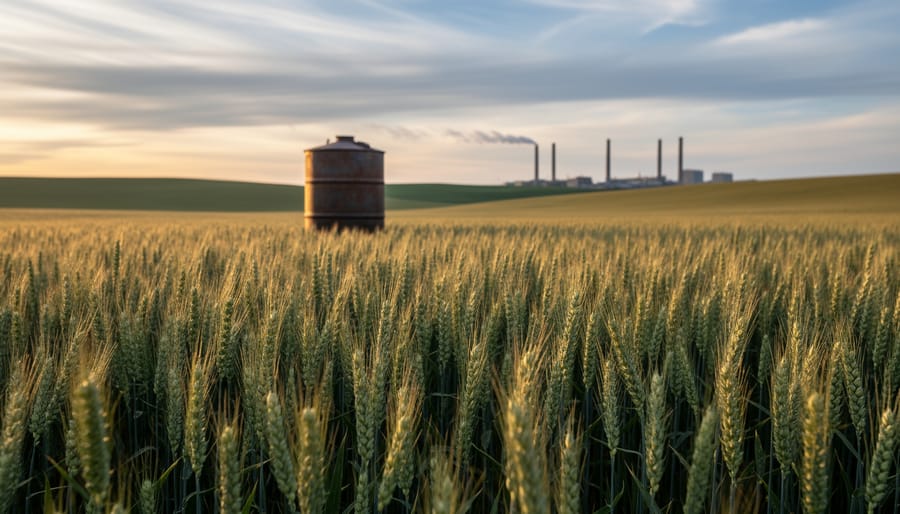
Nuclear waste is radioactive material that remains after nuclear fuel has been used in reactors or produced through medical, research, and industrial applications. This byproduct retains dangerous levels of radiation for periods ranging from years to millennia, requiring careful isolation from people and the environment.
For the Alberta agricultural community understanding nuclear waste carries practical weight. While Alberta’s agricultural heartland doesn’t host nuclear power plants, the province’s role in uranium mining, proposed waste transportation corridors, and potential repository sites makes this topic relevant to land stewardship and community planning. Farmers and ranchers who’ve spent generations protecting soil and water need clear information about what nuclear waste actually is and how it’s managed.
Nuclear waste exists in multiple forms. Low-level waste includes contaminated protective clothing and tools. Intermediate-level waste contains higher radiation levels, such as reactor components and chemical sludge. High-level waste, the most hazardous category, consists primarily of spent fuel rods from power generation. Each type demands distinct handling, storage, and disposal methods.
This article breaks down the technical definition of nuclear waste into practical terms, explores how different waste categories are classified and managed, and explains why Alberta’s agricultural stakeholders should stay informed about waste management decisions that could affect land use, transportation routes, and community safety in 2026 and beyond.
What Nuclear Waste Means: A Clear Definition
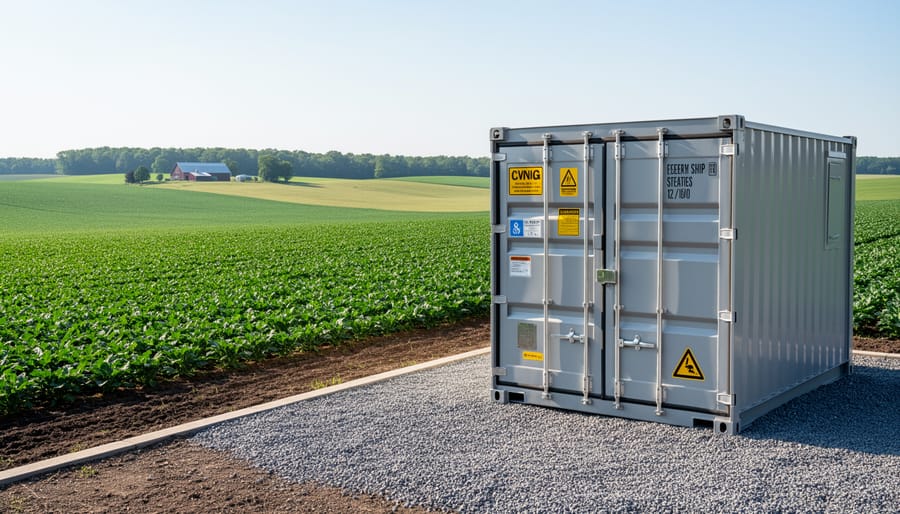
Nuclear waste, more formally called radioactive waste, is any material contaminated with radioactive substances that emit ionizing radiation as they decay. Unlike ordinary industrial or household waste, nuclear waste remains hazardous for timescales ranging from years to millennia, depending on the specific isotopes present. What makes waste “nuclear” is this sustained emission of radiation that can harm living tissue, disrupt cellular function, and persist in the environment long after the original activity that produced it has ceased.
This waste originates from several sources. Nuclear power reactors generate the most notorious form: spent fuel rods that have been withdrawn from reactor cores after several years of use. Medical facilities across Alberta produce radioactive waste from diagnostic imaging and cancer treatments. Industrial operations, including uranium mining in northern Saskatchewan, which supplies processing facilities near Alberta’s borders, create contaminated equipment, protective clothing, and tailings. Research laboratories and universities handling isotopes add their own streams of low-level waste.
Understanding a few core terms clarifies why nuclear waste demands specialized handling:
- Radioactive waste
- Material that contains or is contaminated by radioactive substances with no further planned use. Requires controlled disposal or storage until radiation decays to safe levels.
- Spent fuel
- Used nuclear reactor fuel that still contains highly radioactive fission products and transuranic elements. Remains hazardous for thousands of years.
- Contaminated materials
- Tools, clothing, filters, and equipment exposed to radioactive substances during operations. Can range from barely radioactive to intensely contaminated depending on exposure history.
- Half-life
- The time required for half of a radioactive isotope’s atoms to decay. Determines how long waste remains dangerous, from days to millions of years.
- Decay
- The natural process by which unstable radioactive atoms lose energy and transform into different elements or isotopes, gradually reducing radiation levels over time.
Special handling isn’t optional. Canada’s regulatory framework mandates isolation, shielding, and long-term safety controls because even brief exposure to concentrated radioactive materials can cause immediate health effects and lasting environmental contamination. For Alberta’s agricultural communities, this matters particularly where uranium exploration, transportation corridors, or industrial radiography intersects with farming and ranching lands.
How Nuclear Waste Is Created and Classified
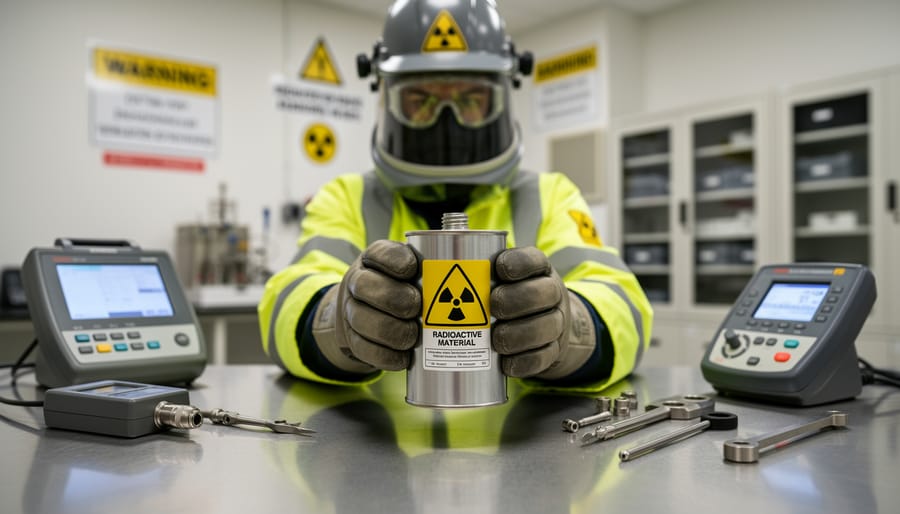
Nuclear waste forms when radioactive materials undergo fission reactions or decay processes that leave behind unstable isotopes. In nuclear reactors, uranium or plutonium fuel rods split atoms to generate heat and electricity, creating dozens of radioactive byproducts, some with half-lives of mere seconds, others persisting for thousands of years. This spent fuel remains intensely radioactive long after it can no longer sustain a chain reaction, requiring isolation from people and the environment.
Medical facilities produce waste differently. Hospitals use radioactive isotopes for imaging and cancer treatment; once those isotopes decay or equipment becomes contaminated, the materials become low-level waste. Industrial operations like pipeline inspection or metallurgical testing employ sealed radioactive sources that eventually reach the end of their useful life. Research labs generate contaminated gloves, filters, and instruments. Each source creates waste with distinct characteristics.
The key to classification lies in how much radiation the material emits and how long the radiation hazard changes over time. Radioactive decay is predictable: a half-life measures how long it takes for half the radioactive atoms to decay into stable forms. Iodine-131, used in medical procedures, has an eight-day half-life and becomes safe relatively quickly. Plutonium-239, found in spent reactor fuel, has a 24,000-year half-life and demands geological timescales for containment.
Canadian regulators classify waste into three tiers based on this decay behaviour and radiation intensity. Low-level waste emits minimal radiation and decays within decades. Intermediate-level waste requires shielding during handling and longer containment periods. High-level waste generates substantial heat and radiation, necessitating heavy shielding and isolation for millennia.
Classification determines everything: storage design, transportation protocols, monitoring requirements, and disposal methods. A medical isotope container might sit in a secure room for months, while spent fuel rods must be cooled in pools for years before moving to dry casks. Alberta’s uranium mining legacy means both extraction residues and potential future reactor waste fall under these frameworks, making classification directly relevant to long-term land stewardship across the province.
Types of Nuclear Waste: From Low-Level to High-Level
Low-Level Waste
Low-level waste represents the least hazardous category in nuclear wastes definition, accounting for roughly 90% of all radioactive waste by volume but containing less than 1% of the radioactivity. This material typically includes contaminated protective clothing, tools, filters, and laboratory equipment from facilities that use radioactive materials.
In Alberta, low-level waste comes primarily from three sectors. Medical facilities generate contaminated gloves, syringes, and packaging from diagnostic procedures and cancer treatments. Research institutions at universities produce contaminated lab supplies and animal bedding from experiments involving radioactive tracers. Industrial operations, including oil and gas companies using radiography to inspect pipelines and welds, contribute contaminated detection equipment and protective gear.
The Alberta Research Council and several Calgary hospitals manage small volumes of this waste through licensed storage facilities. These materials decay relatively quickly, most within months to a few years, and can often be stored on-site until radioactivity drops to safe levels. Proper handling prevents any risk to nearby agricultural operations, as the waste never enters soil or water systems when regulations are followed.
Intermediate-Level Waste
Intermediate-level waste sits between low-level and high-level categories in both radioactivity and handling complexity. This waste contains higher concentrations of radioactive materials than low-level waste but doesn’t generate significant heat like spent fuel does. It requires shielding during handling and storage, yet it’s far more manageable than high-level waste over the long term.
In Alberta’s context, intermediate-level waste primarily comes from reactor components like filters, resins, and chemical sludges used in treating radioactive water. Medical isotope production facilities, a sector where Canada leads globally, generate intermediate waste through their processing operations. Industrial radiography equipment, used to inspect welds and pipelines in oil and gas operations, eventually becomes intermediate waste when decommissioned.
Treatment residues from cleaning contaminated equipment or processing uranium ore can also fall into this category. The key distinction is that these materials need concrete or metal shielding for safe handling but don’t require the active cooling systems that high-level waste demands.
Storage typically involves concrete vaults or specially engineered near-surface facilities. Before disposal, intermediate waste often undergoes treatment to reduce volume, compacting solids, evaporating liquids, or encasing materials in cement or bitumen. These processes make long-term storage safer and more space-efficient while protecting surrounding agricultural lands from contamination.
High-Level Waste
High-level waste represents the most hazardous form of nuclear material, primarily consisting of spent fuel rods removed from nuclear reactors after they have finished their useful life. Though it accounts for only about three percent of all nuclear waste by volume, it contains roughly 95 percent of the total radioactivity. This waste remains dangerously radioactive for thousands of years, requiring isolation from the environment and living organisms for periods far exceeding human lifespans.
Spent fuel assemblies continue to generate intense heat and radiation long after removal from reactors. The fission products and transuranic elements within them decay slowly, with some isotopes maintaining hazardous radiation levels for 10,000 years or more. In countries that reprocess spent fuel to extract usable uranium and plutonium, the remaining liquid and solid waste streams also fall into the high-level category.
Because of these extreme hazards, high-level waste demands the most protective handling methods. It requires heavy shielding during any movement, continuous cooling systems in storage facilities, and eventually, disposal in deep geological repositories designed to contain radioactivity indefinitely. For Alberta’s agricultural communities near uranium mining regions or potential future nuclear facilities, understanding this waste category underscores why rigorous regulatory oversight and transparent communication matter for protecting farmland, water sources, and rural livelihoods.
Where Nuclear Waste Comes From: Applications and Sources
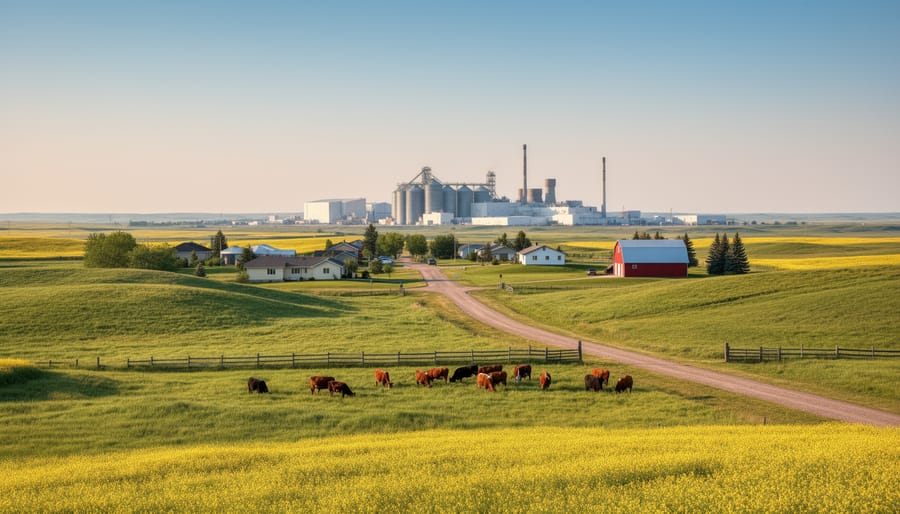
Nuclear waste originates from several distinct sectors, each producing materials with varying radioactivity levels. Understanding these sources helps Alberta farmers and agribusiness owners recognize how industrial operations in their region contribute to waste generation and what safeguards protect their land and water.
Uranium mining stands as the most significant source in Alberta’s context. The Athabasca Basin in northern Saskatchewan, just across the provincial border, hosts some of the world’s richest uranium deposits. While mining operations themselves produce large volumes of low-level waste, contaminated equipment, protective gear, and tailings, the ore processing generates intermediate-level waste that requires careful containment. Alberta landowners near transportation corridors should know that stringent federal regulations govern how this material moves through the province.
Medical isotope production generates substantial quantities of nuclear waste, particularly from facilities like the one formerly operated in Chalk River, Ontario, which supplied isotopes used in Alberta hospitals. These operations produce intermediate and low-level waste including spent fuel rods, contaminated filters, and protective equipment. Alberta’s own research facilities at universities and medical centres contribute to this stream, though at much smaller scales.
- Uranium mining and milling operations (primarily Athabasca Basin region)
- Medical isotope production facilities serving Alberta healthcare
- Industrial radiography services inspecting pipelines and infrastructure
- University and government research reactors
- Nuclear medicine departments in major hospitals
- Oil and gas sector equipment using sealed radioactive sources
Industrial radiography plays a critical role in Alberta’s energy sector. Companies use sealed radioactive sources to inspect welds on pipelines, pressure vessels, and other infrastructure. When these sources reach the end of their useful life, they become intermediate-level waste requiring specialized disposal. Several Alberta firms have earned recognition for exemplary waste tracking and return programs.
Research facilities at the University of Alberta and government labs generate small but consistent amounts of low-level waste from experiments involving radioactive tracers and materials testing. These institutions maintain rigorous waste segregation and storage protocols, often serving as models for best practices.
Looking ahead, proposed small modular reactor projects could establish new nuclear waste sources in Western Canada, though such facilities would incorporate modern waste minimization and on-site storage designs from day one.
Managing Nuclear Waste: Why It Matters for Alberta Agriculture
Nuclear waste management might seem distant from daily farm operations, but it directly affects Alberta’s agricultural future. When waste is handled properly, it protects the soil health principles that underpin productive farming: preventing contamination preserves soil structure, microbial life, and nutrient cycling for generations. Water protection is equally critical. Groundwater aquifers that irrigate crops and water livestock must remain free from radioactive contamination, making secure storage and transport protocols essential to your operation’s viability.
Long-term land use planning intersects with waste facility siting decisions. Farms near uranium mining operations or potential storage sites need clarity about setback distances, monitoring programs, and decommissioning timelines. These factors influence property values, lending decisions, and your ability to pass viable land to the next generation. Alberta farmers practicing responsible land stewardship have a voice in regulatory consultations, your observations about seasonal water patterns, wildlife corridors, and soil conditions provide ground-level data that technical assessments often miss.
Community safety extends beyond physical boundaries. Transparent waste management builds public trust in Alberta agriculture, supporting the local food movement and protecting market access. Farms demonstrating environmental vigilance, whether through baseline soil testing, participation in monitoring networks, or hosting educational tours, strengthen consumer confidence and differentiate Alberta products in competitive markets.
Common Questions About Nuclear Waste
Is nuclear waste stored near Alberta farmland?
Currently, no permanent nuclear waste storage facilities operate on or near active farmland in Alberta. Most radioactive materials from uranium mining and medical applications are stored at licensed industrial sites with strict buffer zones, or transported out of province to federal facilities.
How is nuclear waste transported through rural areas?
Transport follows Canadian Nuclear Safety Commission regulations requiring specialized containers, designated routes, and advance notification to emergency services. Shipments typically use major highways rather than rural roads, with vehicles clearly marked and tracked in real time.
What risks does nuclear waste pose to livestock and crops?
Under normal storage and transport conditions, risks are negligible due to containment requirements and distance protocols. Contamination would only occur in an accident scenario, which is why emergency response plans exist and why reporting any suspicious materials or incidents matters.
Who regulates nuclear waste in Canada?
The Canadian Nuclear Safety Commission oversees all aspects of nuclear material handling, storage, and disposal. In Alberta, provincial environmental agencies coordinate with federal regulators to monitor uranium mining operations and ensure compliance with safety standards.
What should farmers do if they encounter unknown material on their property?
Don’t touch or move it. Mark the location, keep people and animals away, and contact local emergency services immediately. They’ll coordinate with radiation safety experts to assess and handle the material safely.
Are farmers notified about nearby nuclear waste activities?
Licensing processes for nuclear facilities require public consultation and ongoing community engagement. Farmers near uranium mining operations or proposed storage sites have opportunities to participate in environmental assessments and receive updates through municipal channels and industry outreach programs.
Understanding these practicalities helps rural landowners make informed decisions about property use and participate meaningfully in discussions about industrial development. Most Alberta farmers will never directly encounter nuclear waste, but knowing the regulatory framework and proper response protocols protects your operation and community. The industry’s safety record reflects decades of careful handling, yet staying alert to changing land use patterns around your property remains part of good stewardship. If uranium exploration or nuclear projects are proposed in your region, engage early in the consultation process to ensure agricultural interests and environmental protections receive proper consideration.
Nuclear waste, radioactive material from power generation, medical procedures, industrial applications, and uranium mining, demands respect, understanding, and careful management. Throughout this article, we’ve defined what makes waste nuclear, explored how it’s classified from low-level to high-level, and examined where it comes from in contexts directly relevant to Alberta’s economy and landscape.
For farmers and agribusiness owners, this knowledge isn’t academic. Sound nuclear waste management protects the soil, water, and air that sustain your operations. It safeguards property values, livestock health, and the long-term viability of agricultural land. Understanding the classification system helps you assess risks intelligently when industrial projects or transport routes affect your community.
Your role in environmental stewardship extends beyond your fencelines. Stay informed about uranium mining activities, waste transport corridors, and storage proposals in your region. Participate in regulatory consultations. Ask questions of industry representatives and government agencies. Monitor your land and water sources, and report unusual activity through proper channels.
Alberta’s agricultural community has always balanced productivity with responsible land management. Applying that same vigilance to nuclear waste issues strengthens rural Alberta’s voice in decisions that shape the province’s environmental future. Knowledge empowers action, and informed farmers are essential partners in protecting the land for generations ahead.